
Godzilla Melee Remastered Roster: All 12 Monsters
Every playable monster in the remaster, from Godzilla and Kiryu to Orga, plus the roster changes from the 2002 GameCube release and the best starter picks.
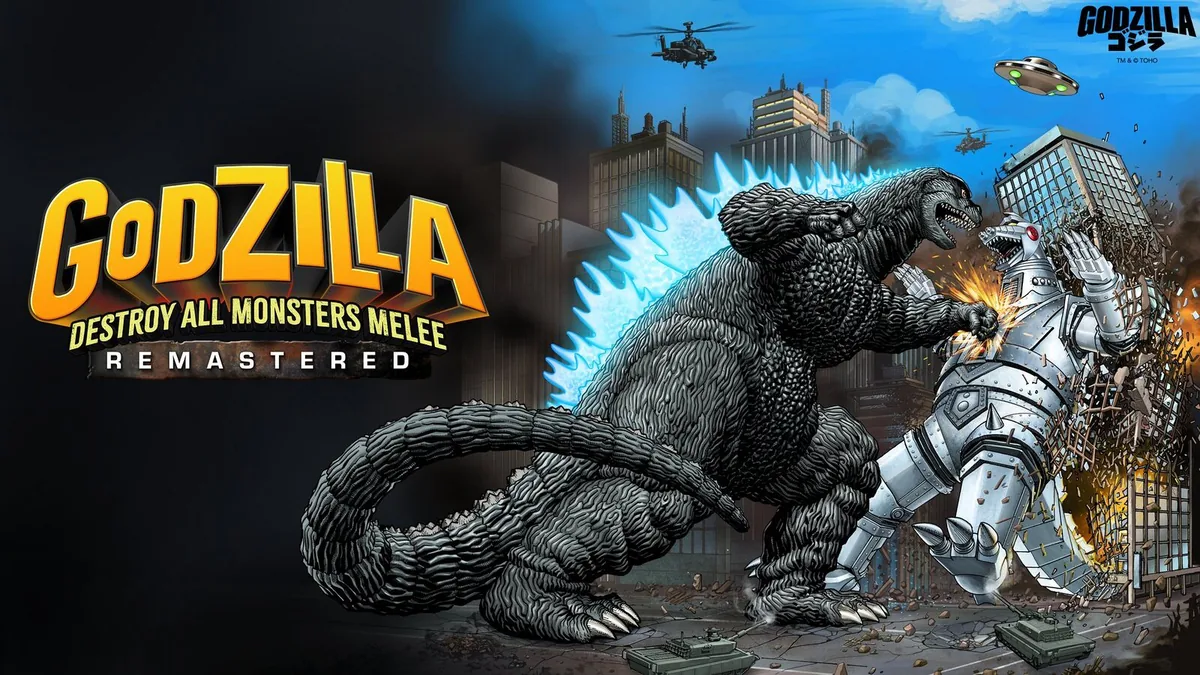
The remaster ships with 12 playable monsters. That is the same headcount as the 2002 GameCube release, but not the same lineup. One fighter has been replaced, one guest character has been removed from the playable cast, and the unlock structure has changed so you can buy the monster you want instead of clearing a campaign to earn it.
The official roster reveal on August 28, 2026 named the full cast. The list below matches that reveal and the Steam store description: Godzilla, Godzilla 2000, Anguirus, Gigan, Megalon, King Ghidorah, Mecha-King Ghidorah, Mechagodzilla, Kiryu, Rodan, Destoroyah, and Orga.
The full roster at a glance
| Monster | Combat identity | Ranged pressure | Early difficulty |
|---|---|---|---|
| Godzilla | All-round bruiser | Atomic breath | Low |
| Godzilla 2000 | Aggressive rushdown | Spiral breath | Low |
| Anguirus | Low-profile counter fighter | Limited | Medium |
| Gigan | Fast mix-up pressure | Chest laser | Medium |
| Megalon | Grappler with reach | Drill and napalm | Medium |
| King Ghidorah | Zoner with huge hitboxes | Gravity beams | Low |
| Mecha-King Ghidorah | Zoner with trapping tools | Gravity beams and cables | Medium |
| Mechagodzilla | Armored projectile specialist | Missiles and beam | Low |
| Kiryu | Technical heavyweight | Maser and freeze tools | High |
| Rodan | Aerial hit-and-run | Heat beam | Medium |
| Destoroyah | High-damage closer | Micro-oxygen | High |
| Orga | Absorbing brawler | Shoulder cannon | Medium |
The difficulty column is an editorial read of each monster's toolset, not an official stat. A zoner with simple keep-away tools is easier to start with than a technical heavyweight that needs precise spacing, even if both are strong at a high level.
What changed from the 2002 roster
The original GameCube roster also had 12 fighters, but it included the Heisei Mechagodzilla (often called Mechagodzilla 2) and did not include the Showa Mechagodzilla. The remaster swaps in the 1975 Showa design. The official reveal lists Mechagodzilla without the "2" suffix, and Wikizilla's remaster page identifies the version as the Showa 1975 unit.
The other major change is Mothra. She appeared in the 2002 game as a non-playable imago and a stage element. She is still not playable in the remaster. If you see a "Mothra unlock" video, it is either a mod, a mock-up, or a misunderstanding of the gallery. The 12 playable slots are accounted for.
Hedorah is also absent from the playable cast. In the 2002 release, Hedorah was a stage hazard rather than a fighter. The remaster's arenas have new environmental interactions, but Hedorah is not one of the 12.
Atari has not announced a hidden thirteenth monster, a pre-order exclusive fighter, or a day-one DLC character. The store page, the official reveal, and the press material all say 12. Treat any "secret character" claim as unverified until Atari publishes it.
The starters: who to pick first
Godzilla is the intended first pick for a reason. He has a projectile, a reliable melee string, enough weight to survive a mistake, and a Rage Mode that rewards patient play. If you have never touched a 3D arena fighter, start here. The Godzilla guide covers his full move set and the matchups that punish careless beam spam.
King Ghidorah is the other beginner-friendly pick. His three heads give him wide normals and long-range gravity beams, so you can influence a match without learning every combo. He is slow, and faster monsters will close the gap if you only hold back and shoot. The King Ghidorah guide explains how to layer the beams with his stomps.
Mechagodzilla is the easiest projectile-focused pick. He has armor on some attacks and a straightforward plan: keep the opponent at mid-range, punish jumps with missiles, and use the beam when the opponent commits to a slow move. The Mechagodzilla guide breaks down the spacing.
If you want a faster character and you are comfortable with movement, Godzilla 2000 is the aggressive alternative. He trades some durability for speed and a more forward-moving pressure game. The Godzilla 2000 guide is the place to start.
The specialists
Kiryu is the most technical monster in the cast. His toolkit includes ranged pressure, a freeze effect, and heavyweight normals, but the payoffs require setup. He is not a good first purchase if you are still learning the block timing. Once you understand the neutral game, his tools become much more threatening. See the Kiryu guide.
Destoroyah is the high-damage closer. He wants to get in, land a short string, and make the opponent respect the next approach. His ranged options are less about zoning and more about covering an advance. The Destoroyah guide covers the risk-reward.
Orga is the absorbing brawler. His shoulder cannon gives him a mid-range option, and his normals are built around grabbing space and keeping the opponent in front of him. He is forgiving enough for a second purchase. The Orga guide has the details.
Anguirus is the low-profile counter fighter. He is short, which makes some high attacks whiff, and his spike-based tools punish predictable approaches. He struggles against zoners who can keep him at range. The Anguirus guide explains how to close the gap.
Gigan is the fast mix-up character. His buzzsaw and chest laser give him options at multiple ranges, but his health pool is not forgiving. He rewards players who like feints and movement. The Gigan guide covers the pressure routes.
Megalon is the grappler with reach. His drill gives him a long-range poke, and his grabs make him dangerous up close. He is slower than Gigan but harder to push out. The Megalon guide explains the grab game.
Rodan is the aerial hit-and-run fighter. He wants to stay moving, punish whiffs from the air, and avoid extended ground exchanges. His heat beam covers his approach. The Rodan guide has the movement routes.
Mecha-King Ghidorah is the trapping zoner. The cables and gravity beams let him control space, but he is less forgiving than King Ghidorah. The Mecha-King Ghidorah guide covers the setup.
How unlocking works now
The remaster replaces the old campaign-gated unlock system with an in-game currency system. You earn currency by playing, then spend it on monsters, arenas, and gallery items in any order. The official store description says the improved system "gives you the choice to unlock monsters, locations, and gallery items in any order."
That means the roster table above is also a shopping list. You do not need to finish Godzilla's campaign to unlock Kiryu. You need enough currency, and you need to find the unlock panel in the gallery or roster menu. The unlock guide explains the most efficient order.
The cheapest unlocks are not always the best value. A single expensive monster that fits your playstyle will do more for your enjoyment than three cheap ones you never use. Pick one main from the table, buy it, and learn it before expanding.
Roster balance and tier lists
A launch-week tier list is a snapshot, not a verdict. The game has been in players' hands for less than a day at the time of writing, and the online meta has not settled. The tier list page separates "easy to win with on day one" from "strong once players learn the matchup."
The short version: Godzilla and King Ghidorah are the most forgiving, Kiryu and Destoroyah have the highest ceilings, and the fast characters reward players who invest time in movement. No monster appears to be unusable. The gap between the top and bottom of the roster is smaller than the gap between a player who understands blocking and one who does not.
Which version has the full roster?
All four platform versions include the same 12 monsters. There is no platform-exclusive fighter, no Amiibo unlock, and no pre-order character. The Switch 2 version costs more, but it does not add a roster slot.
The roster is also identical in the demo? No. The demo is a limited slice and does not include every fighter. Do not use the demo's character select screen as a full roster list; it is a demo build with a reduced selection.
Official source: Godzilla: Destroy All Monsters Melee Remastered Trailer Reveals Full 12-Kaiju Roster
For the next read, compare the tier list and the unlock route.
Sources and verification
- The official Godzilla roster article names the 12-kaiju lineup and the four platforms.
- Steam repeats the 12-monster count, the eight locations, and the improved unlock system.
- Wikizilla tracks the roster changes, including the Showa Mechagodzilla swap and Mothra's non-playable status.
- Wikipedia's original game article provides the 2002 roster and unlock context.
If Atari adds a character after launch, this page will be updated with the new count and the unlock method. Until then, 12 is the number.
More Godzilla: Destroy All Monsters Melee Remastered Guides
How to play Gigan in the remaster: buzzsaw pressure, chest laser zoning, movement mix-ups, and the defense you need to survive his small health pool.
How to play Godzilla 2000 in the remaster: the faster Godzilla's pressure game, spiral breath punishes, Rage timing, and the matchups where speed fails.
How to play Godzilla in the remaster: the neutral game, atomic breath timing, Rage Mode usage, and the matchups that punish careless beam spam.
How to play King Ghidorah in the remaster: using three heads and gravity beams to control space, when to stomp, and how to survive when a brawler gets inside.
How to play Kiryu in the remaster: the freeze tool, maser zoning, heavyweight normals, and the setup routes that make him the highest-ceiling monster.
How to play Mecha-King Ghidorah in the remaster: using cable traps and gravity beams to control space, and why the setup character is harder than King Ghidorah.
How to play the Showa Mechagodzilla in the remaster: armor trades, missile pressure, beam zoning, and the close-range weakness that keeps him honest.
How to play Megalon in the remaster: using the drill to close space, punishing blocks with grabs, and turning a corner into a win condition.