
Remastered vs. Original: Godzilla Melee Changes
A side-by-side comparison of the 2002 GameCube fighter and the 2026 remaster: roster changes, online play, unlock system, visuals, and what stayed the same.
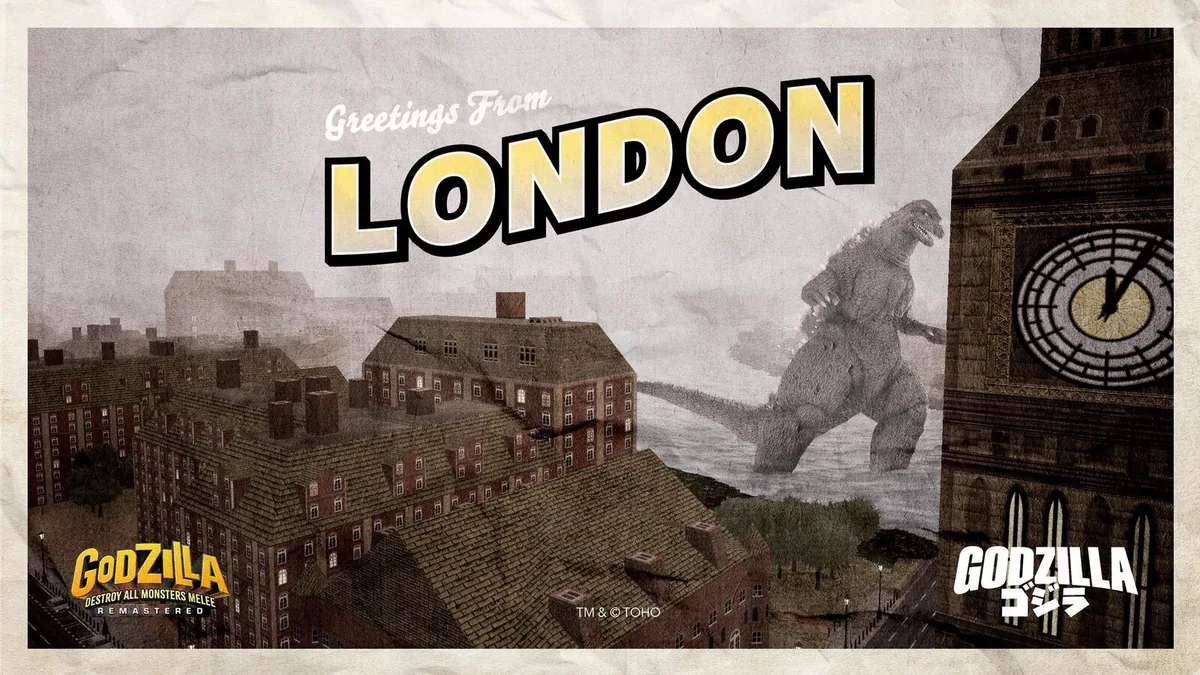
The remaster is not a remake. It keeps the 2002 game's roster size, arena count, and core combat loop, then rebuilds the presentation in Unreal Engine 5 and adds online multiplayer. Pipeworks, the original developer, is handling the remaster, and Atari is publishing it with Toho International involved. The official line is that the team preserved 99% of the original mechanics while modernizing the visuals and quality-of-life features.
That "99%" claim is marketing, not a frame-data guarantee. The feel is close, but the roster has changed, the unlock system is different, and the online mode did not exist in 2002. This page separates the real changes from the marketing.
The short comparison
| Feature | 2002 original | 2026 remaster |
|---|---|---|
| Platforms | GameCube, Xbox | PS5, Xbox Series X |
| Roster | 12 playable | 12 playable, one swap |
| Arenas | 8 | 8, each with day/night |
| Online play | None | New online multiplayer |
| Local multiplayer | Split-screen | Split-screen, four-player local tag |
| Unlock system | Campaign-gated | Currency-based, any order |
| Campaigns | Shared progression | One campaign per kaiju |
| Graphics | GameCube-era 3D | Unreal Engine 5 rebuild |
| Rage Mode | Yes | Yes, preserved |
| Environmental weapons | Yes | Yes, expanded |
The table is the high-level answer. The details below are where the arguments start.
Roster: one replacement, one absence
The 2002 roster had 12 fighters, including the Heisei Mechagodzilla (Mechagodzilla 2). The remaster swaps in the Showa Mechagodzilla from 1975. The official reveal lists "Mechagodzilla" without the "2" suffix, and Wikizilla identifies the remaster version as the Showa unit.
Mothra was not playable in 2002, and she is not playable in the remaster. She appeared as an imago and a stage element in the original. If you remember playing as Mothra, you are remembering a mod, a different game, or a false memory. The remaster's 12 slots do not include her.
Hedorah was a stage hazard in 2002, not a fighter. The remaster's official material does not list Hedorah as a playable monster or a confirmed hazard. Treat her as absent until Atari says otherwise.
The rest of the cast is intact: Godzilla, Godzilla 2000, Anguirus, Gigan, Megalon, King Ghidorah, Mecha-King Ghidorah, Kiryu, Rodan, Destoroyah, and Orga. The roster page has the full table.
"12 monsters" is technically true for both games. It is also misleading if you assume the lineup is identical. The Showa Mechagodzilla swap is the main difference; Mothra and Hedorah were never playable in the original.
Unlocks: campaign gates are gone
The 2002 game started with three monsters and unlocked the other nine through progression. You had to play the campaign to earn the characters, and the order was fixed. If you wanted Kiryu, you had to clear the content that led to Kiryu.
The remaster replaces that with an in-game currency system. You earn currency by playing, then spend it on monsters, locations, and gallery items in any order. The official store description explicitly says the improved system lets you unlock content in any order.
That is a quality-of-life improvement for most players. It also changes the pacing: you can rush your favorite monster instead of playing a mode you dislike. The downside is that the campaign no longer doubles as a guided tour of the roster. If you buy Kiryu first and never learn the basics, you can struggle. The unlock guide explains a sensible order.
Online play: the biggest addition
The 2002 game had no online mode. You played against the CPU or against friends on the same couch. The remaster adds online multiplayer with matchmaking, plus the existing local split-screen.
Atari has not published a detailed online structure. We know it exists, we know it supports online PvP, and we know it uses matchmaking. We do not know whether there are ranked seasons, dedicated servers, or crossplay. Do not buy the game on a second platform expecting to play with a friend until crossplay is confirmed.
The local side is clearer. Steam tags the game "4 Player Local," and the store lists shared/split-screen PvP. The original supported two-player split-screen; the remaster's four-player tag is an expansion. The multiplayer guide covers the setup.
Campaigns: one per kaiju
The remaster gives each monster its own single-player campaign. The official announcement says each kaiju has a dedicated campaign, which is a structural change from the 2002 game's shared progression.
That is good for learning a character. You can play Godzilla's campaign, then Rodan's, and see how each move set works against the same opponents. It is also more content: 12 campaigns is a lot of matches if you want to finish them all.
The campaigns are not the only way to unlock content. The currency system means you can ignore a campaign and still buy the monster. The campaign is a tutorial and a currency source, not a gate.
Visuals and performance
The remaster is built in Unreal Engine 5. The official material emphasizes enhanced visuals, recreated cities, and quality-of-life improvements. The 2002 game's models and textures are two decades old; the remaster rebuilds them with modern lighting and effects.
The trade-off is performance. The PC requirements start at an i7-9700 and a GTX 1650, which is a modern entry-level spec, not a 2002-era machine. The Switch 2 version is the most likely to make compromises because the console is less powerful than a PS5 or a gaming PC. Atari has not published frame-rate targets for any platform.
The art direction is still recognizably the 2002 game. The monsters keep their silhouettes and their move sets. This is a remaster, not a redesign.
What stayed the same
- The core combat loop. Melee, ranged attacks, blocking, grabs, and Rage Mode.
- The roster size. 12 playable monsters.
- The arena count. Eight locations.
- Environmental weapons. Buildings and landmarks can be used in a fight.
- Local split-screen. The couch mode survives.
- The campy tone. The 2002 game was not a serious simulation, and the remaster does not pretend to be one.
The "99% mechanics" claim is best understood as "the feel is close." Frame data, damage values, and balance may differ. If you are a competitive player, treat the remaster as a new game with familiar tools, not a patch to the original.
What did not carry over
- The original platform lineup. No GameCube or Xbox version. The remaster is for current consoles and PC.
- The fixed unlock order. Currency replaces campaign gates.
- The two-player local limit. The remaster supports four-player local, according to Steam.
- Hedorah as a stage hazard. Not confirmed in the remaster.
- Mothra as a stage element. Not confirmed in the remaster.
The last two are the details most likely to annoy purists. If your favorite memory is a specific Hedorah hazard or a Mothra appearance, check the stage before you buy. The remaster's official material focuses on the 12 playable monsters and the eight locations, not on every legacy cameo.
The 2002 GameCube version is still playable on original hardware or through emulation. A few matches will show you which changes matter to you. The remaster is close enough that the comparison is meaningful, and different enough that the original is not obsolete.
Which version should you play?
If you want online play, four-player local sessions, and modern visuals, play the remaster. If you want the original balance, the GameCube version's specific quirks, or you already own the 2002 disc, the original still has value. The remaster is not a replacement for preservation; it is a new release built on the old design.
For most players, the remaster is the better first experience. The unlock system is friendlier, the online mode is new, and the visuals are easier to read on a modern TV. The beginner guide is the place to start.
Official source: Godzilla: Destroy All Monsters Melee Remastered Trailer Reveals Full 12-Kaiju Roster
For the next read, compare the tier list and the unlock route.
Sources and verification
- The official Godzilla roster article confirms Pipeworks, Atari, the 12-kaiju roster, and the online/local feature set.
- Steam confirms the eight locations, the day/night variants, the unlock system, and the four-player local tag.
- Wikizilla tracks the roster changes, including the Showa Mechagodzilla swap.
- Wikipedia's original game article provides the 2002 release, roster, and platform context.
The remaster's final balance and stage list may differ from the review build. This comparison is based on official material and verified store details, not on unverified leaks.
More Godzilla: Destroy All Monsters Melee Remastered Guides
How to play Destoroyah in the remaster: closing space, turning one opening into huge damage, and managing the commitment that makes him high-risk.
How to play Gigan in the remaster: buzzsaw pressure, chest laser zoning, movement mix-ups, and the defense you need to survive his small health pool.
How to play Godzilla 2000 in the remaster: the faster Godzilla's pressure game, spiral breath punishes, Rage timing, and the matchups where speed fails.
How to play Godzilla in the remaster: the neutral game, atomic breath timing, Rage Mode usage, and the matchups that punish careless beam spam.
How to play King Ghidorah in the remaster: using three heads and gravity beams to control space, when to stomp, and how to survive when a brawler gets inside.
How to play Kiryu in the remaster: the freeze tool, maser zoning, heavyweight normals, and the setup routes that make him the highest-ceiling monster.
How to play Mecha-King Ghidorah in the remaster: using cable traps and gravity beams to control space, and why the setup character is harder than King Ghidorah.
How to play the Showa Mechagodzilla in the remaster: armor trades, missile pressure, beam zoning, and the close-range weakness that keeps him honest.